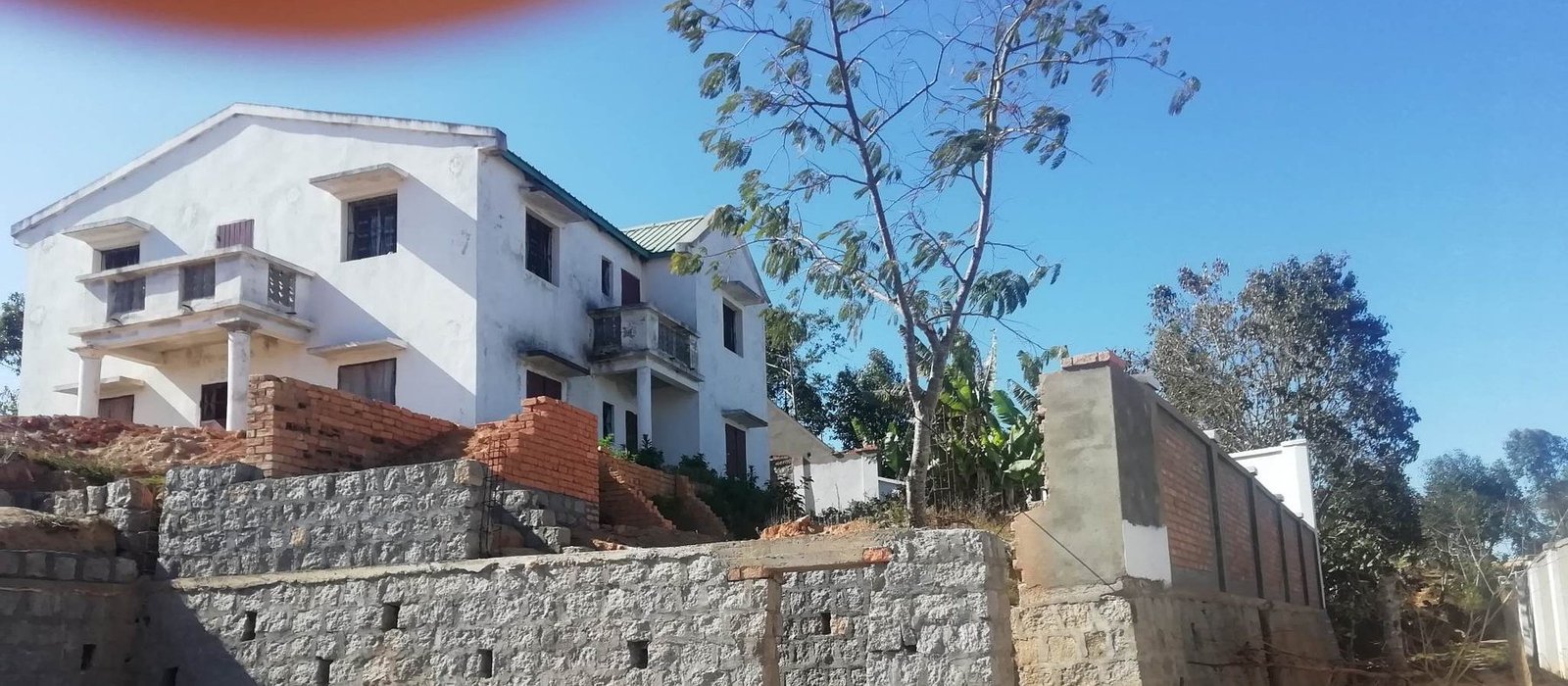
More than twenty years of building a future for children in Madagascar, stone by stone
A Malagasy proverb says that one grain of rice, planted, yields a hundred. Ambeoka means "new seeds", and that is the idea: from Laval, in western France, a handful of Malagasy volunteers turn every donation into something you can go and stand in front of — two orphanages, a school, a bridge.
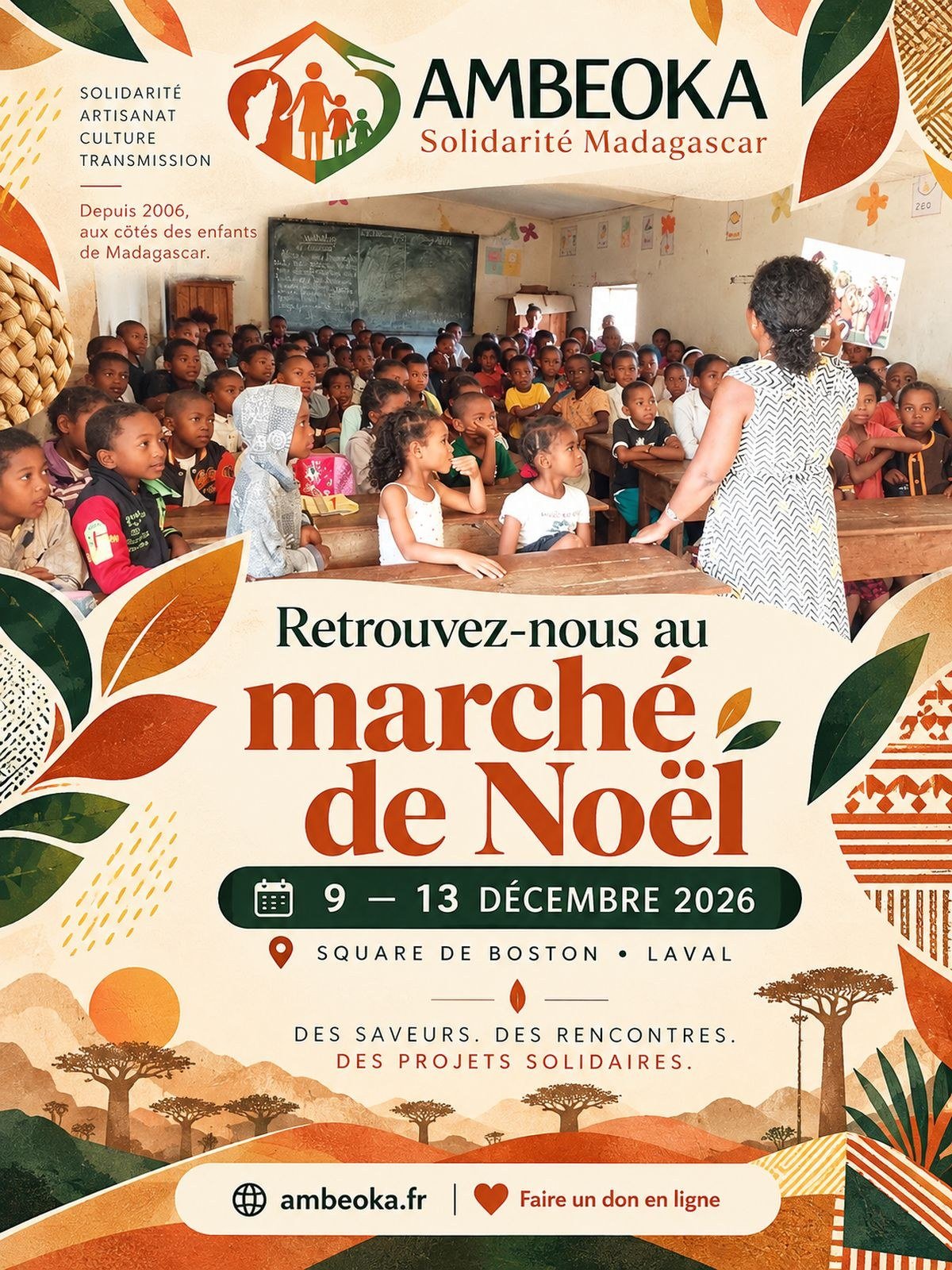
Laval Christmas market
Wednesday 9 to Sunday 13 December 2026 — square de Boston, Laval.
in Madagascar
built
every school day
by one bridge
no paid staff
Shelter, schooling, a future
Three commitments that depend on one another: a roof without a school leads nowhere, and a school without meals stays empty.
Shelter
Two orphanages built and maintained — in Toliara, also known as Tuléar, since 2009, and in Fianarantsoa since 2015 — giving a stable home to children who have lost their parents or cannot live with them.
Schooling
A school next to the Fianarantsoa orphanage, taking between 250 and 300 children, with a free canteen meal every school day, provided by a partner donor.
A future
A bridge, a perimeter wall, computers, a small shop, and soon a water tower: the infrastructure that makes everything else possible and lasting.
Toliara, then Fianarantsoa
Two orphanages, a thousand kilometres apart, built one after the other over fifteen years.
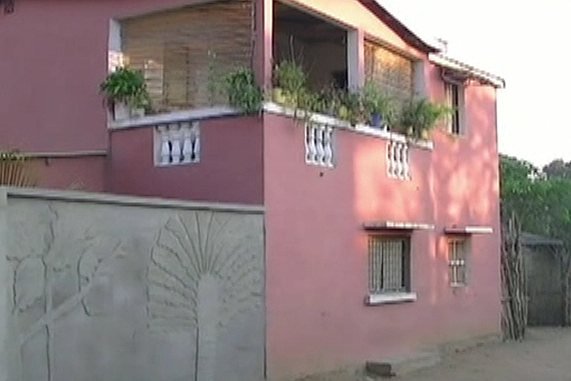
The first orphanage
Started in June 2009 as an emergency, to rehouse children from another orphanage closing on 31 July. They moved into two rooms on 30 July. The orphanage was officially opened in June 2010 and completed in 2012.
Total cost: €20,000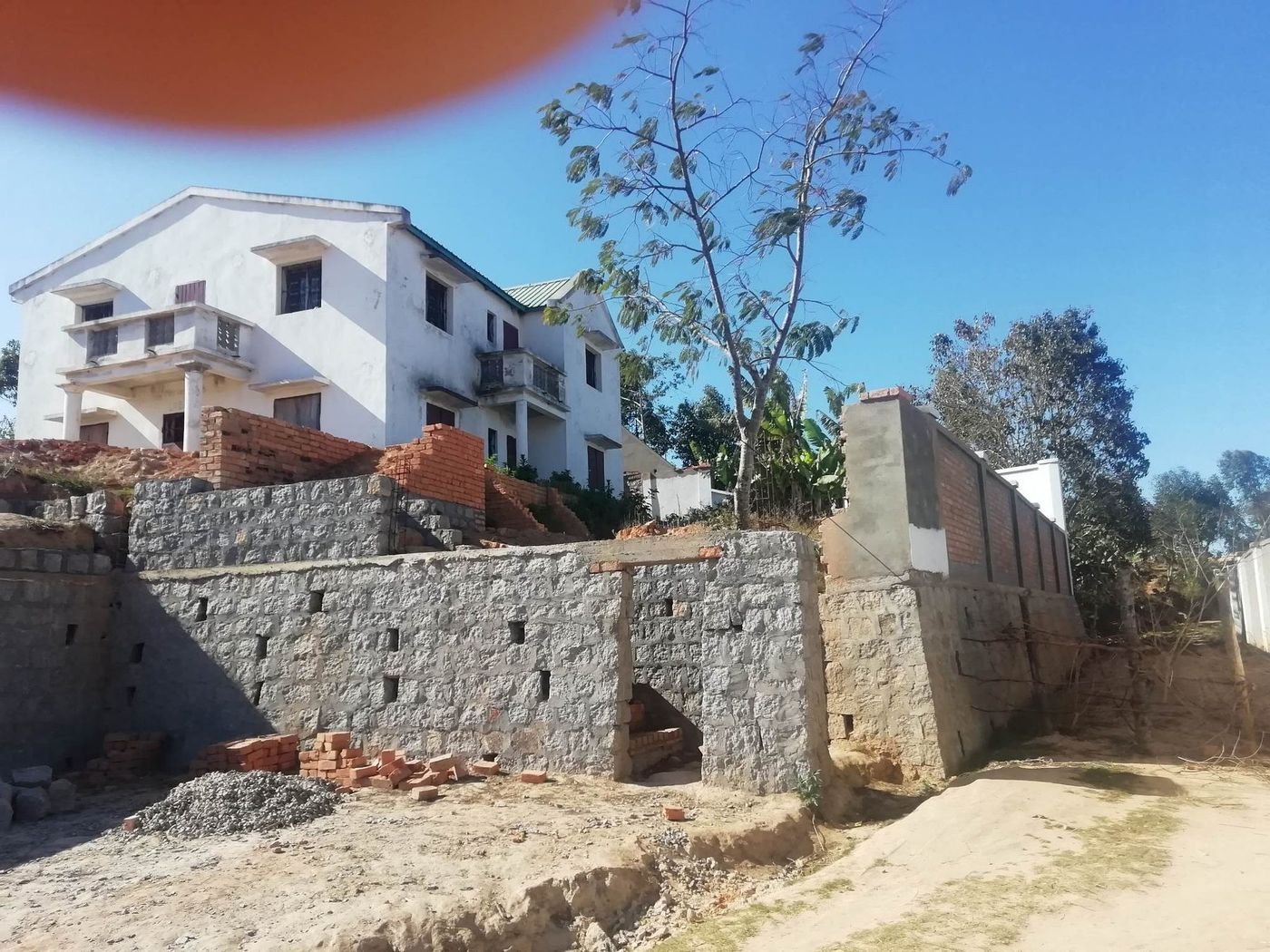
The Marie-Louise Labaud orphanage
We bought the land in 2013–14 and started building in 2015. Work stopped in 2017 for lack of funds, and the orphanage opened in 2018. The wall and the gate followed, through to the end of 2024. A school stands beside the orphanage.
Cost to date: €35,438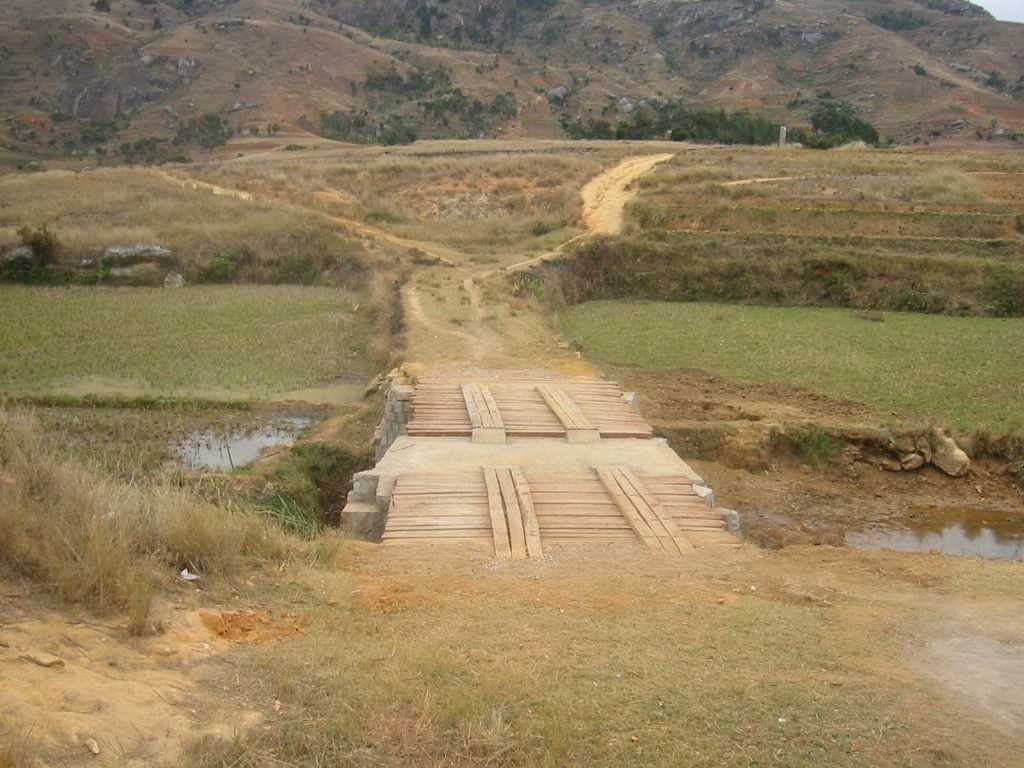
The Friendship Bridge
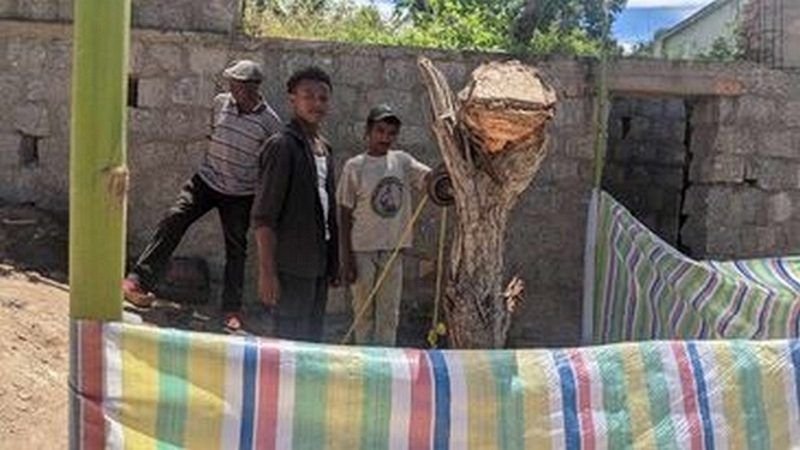
Three villages were cut off every rainy season, and food from the fields no longer reached the orphanage. One volunteer, Gilles, spent the summer of 2008 on site running the works.
He kept a diary, day by day: stones broken by hand, tree trunks carried out of the forest on men's shoulders, cement running short, snakes in the foundations. Much of it is reproduced here.
Read the site diaryWhat we are working on now
In Fianarantsoa, from the first brick wall to the finished gate.
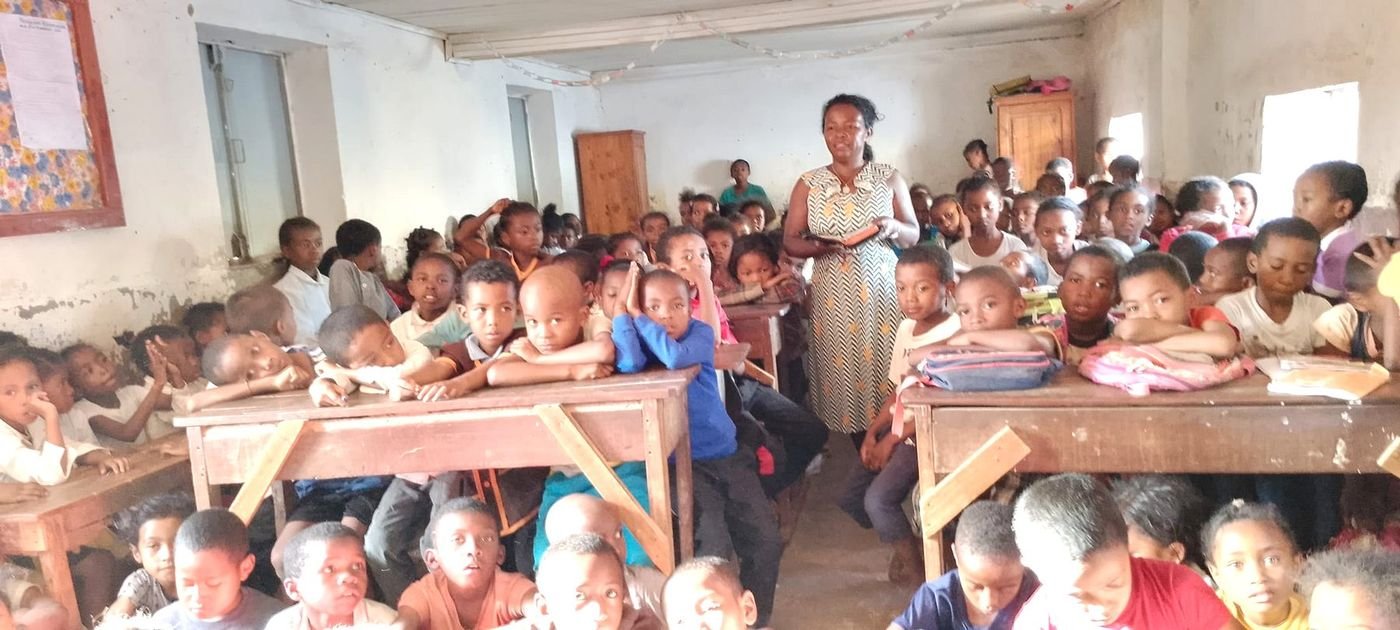
The school and its canteen
Between 250 and 300 children, with a free meal every school day, provided by a partner donor.
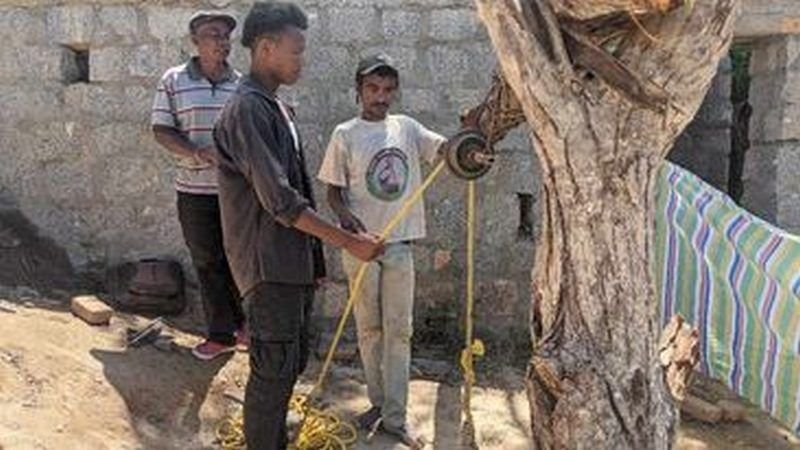
Water
Five boreholes, down to 25 metres, found no water. The project is changing shape: a water tower built against the orphanage.
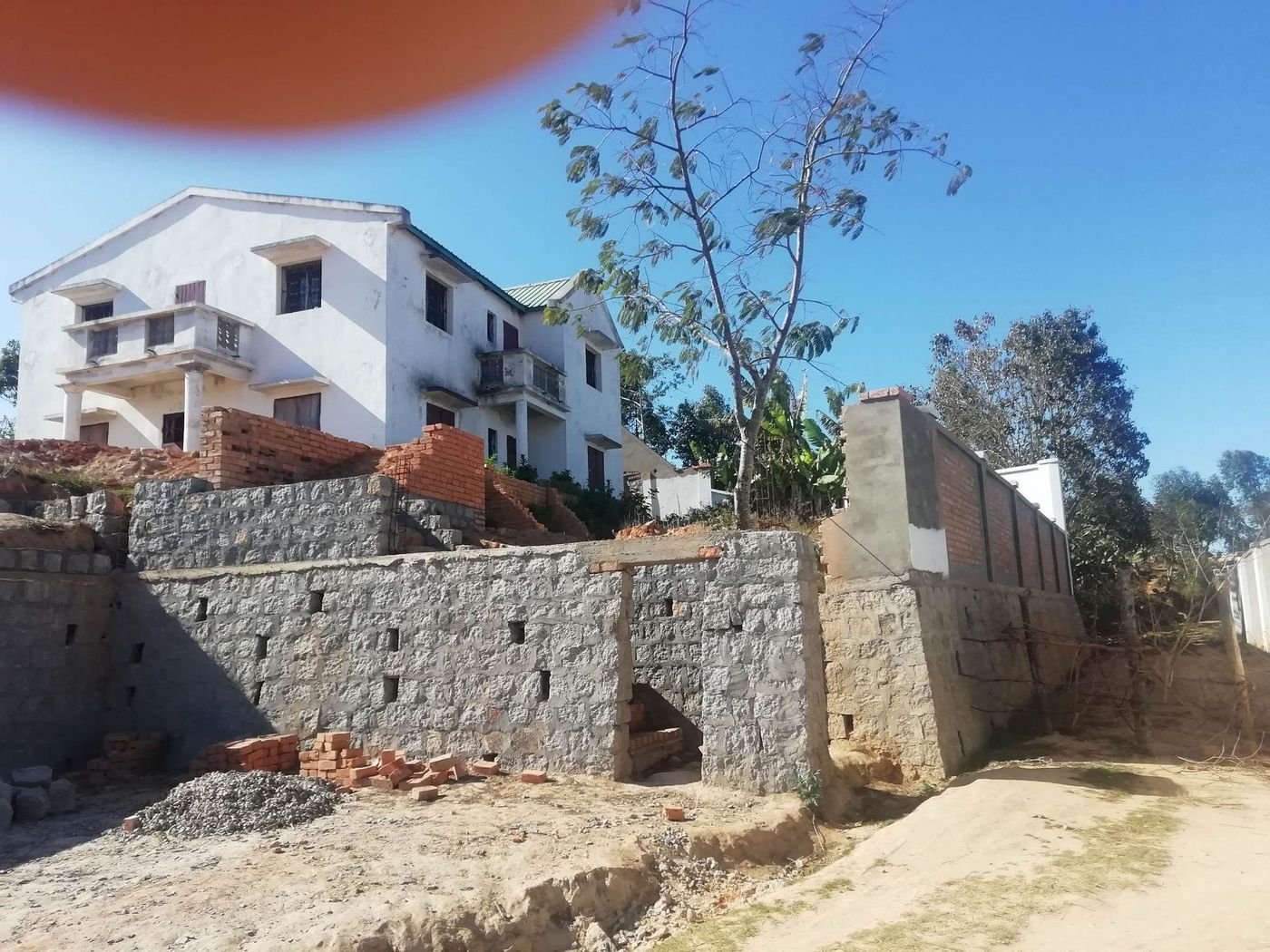
The wall and the gate
Finished in late 2024. They finally enclose the site and keep the children safe.
A water tower for the Fianarantsoa orphanage
The well begun in 2022 came to nothing: five boreholes, down to 25 metres, and no water. Rather than give up, the association redesigned the project. A water tower will be built against the house to store water and supply the building and the school canteen.
The work comes in two costed stages: €3,000 for the water tower, then €3,000 for the treatment system that will make the water safe to drink.
€6,000 in all. Work starts as soon as the money is there.
Fund the water towerAn orphanage in Madagascar is also paid for in a village hall in Laval
Most of what we send comes from things people do with their own hands in western France. Direct donations make up the rest.
The Laval Christmas market
Four or five days on a stall each December, staffed by volunteers: Malagasy crafts and news from the building site. It is our biggest single source of income.
Dinner-concerts
A Malagasy meal cooked for a hundred guests, a concert, an exhibition of crafts. The halls have been full since 2008.
What people give
A choir that gives a concert, a town hall that lends a room, volunteer cooks, a partner that provides the canteen meals. Everyone gives what they know how to do.
Your donation becomes a wall, a meal, a water tower
We are all volunteers. What you give goes straight to the work in Madagascar, and comes back to you as photographs and figures on the Our work page.
The French government recognises AMBEOKA as an organisme d'intérêt général — broadly the French equivalent of charitable status. If you pay income tax in France, you can reduce your tax bill by 66% of what you give. Donors elsewhere are just as welcome: bank transfer details are on the donation page.